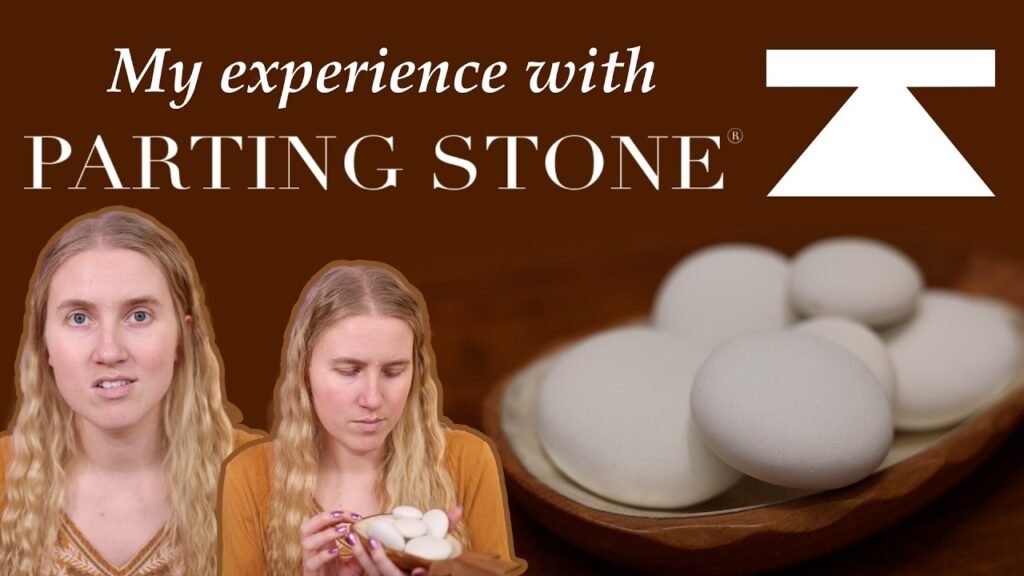

Parting Stone: A Modern Way to Remember a Loved One After Cremation
Introduction
Cremation is now the most common choice for end-of-life arrangements in many countries. But families are often left unsure what to do with the ashes. Parting Stone is a company that offers a different answer: turning cremated ashes into smooth stones that can be held, shared, and kept close.
What Is Parting Stone?
Parting Stone is a Santa Fe-based company that transforms cremated remains into solidified stones, offering a tangible alternative to a traditional urn. Its stated mission is to help families in grief through a form of remains that can be touched and held. It is often described as a “death tech” startup.
The Story Behind the Company

The idea began in 2014, when founder Justin Crowe lost his grandfather and wanted a more personal way to honor his ashes. With a background in fine arts and ceramics, he worked with material scientists and received a grant from Los Alamos National Laboratory, and the company officially launched in 2019. Parting Stone was later featured on Shark Tank.
How the Process Works
The ashes are refined into a fine powder and cleaned of impurities. The powder is mixed with a natural binder into a clay-like material, shaped into stones, fired in a kiln, and polished. Families can also send ashes they already have, of any type or age. The usual steps are:
- The family or funeral home receives a collection kit.
- The ashes are shipped to the lab.
- The ashes are processed into stones.
- The finished stones are returned to the family.
How Many Stones Do You Receive?
Families typically receive about 40 to 60 river-like stones. Some providers report sets of 40 to 80 or more. The number depends on the amount of remains, and each set has its own colors and textures. Stones range from the size of a thumbnail to the size of a palm.

Ways to Use the Stones
- Carry one in a pocket or bag.
- Share stones among family members and close friends.
- Place them in a garden or under a favorite tree.
- Display them at home as a keepsake.
- Include them in a memorial ceremony.
Parting Stone can also be made from pet remains.
Benefits of Choosing Parting Stone
A more personal connection. Many people feel disconnected from ashes in their granular form, and they often end up stored out of sight for years. Stones are easier to touch, hold, and give to others.
Easy to share. Dividing ashes among relatives can be awkward. Stones make it simple for each person to have their own piece.
Flexible remembrance. They can be kept at home, carried, or placed somewhere meaningful.
Cost and Timeline
Pricing varies by provider and has changed over time. An early report listed $695 for the process, while one funeral provider now lists $1,695 plus shipping. One provider states the process takes about 10 to 15 weeks on average. Ask your funeral home for current prices and timing.
Things to Consider
- Parting Stone is a newer option, so not every funeral home offers it yet.
- Some families prefer traditional urns, burial, or scattering for religious or cultural reasons.
- Costs and processing times differ by provider, so compare before deciding.
Conclusion
Grief has no single right path, and Parting Stone gives families one more way to remember someone they love. For those who find ashes distant or hard to live with, stones offer something comforting that can be held, shared, and kept for ye