Meta description: Joe Wilkinson is a British comedian, actor and writer with an offbeat style. Explore his career, humour, book and why fans love his work.
Joe Wilkinson: The Offbeat British Comedian, Actor and Writer Explained
Some comedians arrive in a blaze of noise, and others sneak up on you. Joe Wilkinson belongs firmly in the second group. He is an English comedian, actor and screenwriter who has spent roughly two decades building a reputation for deadpan delivery, gentle absurdity and the kind of timing that only looks effortless because so much work sits behind it. If you have ever watched a panel show and found yourself laughing at the quietest person on the sofa, you already understand part of his appeal.
This guide walks through who he is, where he came from, how his humour works and what he has done across stage, television, radio and print. It is written for newcomers who have only just caught his name, and for long-time viewers who want a tidy overview in one place. Along the way you will find a quick-facts table, a few well-chosen quotes and a set of answers to the questions people search for most often.
One quick note before we dive in. Plenty of people share this name, from footballers to local business owners, so searches can get muddy. Everything below is about the comedian and actor, born in Bromley, London, who has been working in British entertainment since the mid-2000s.
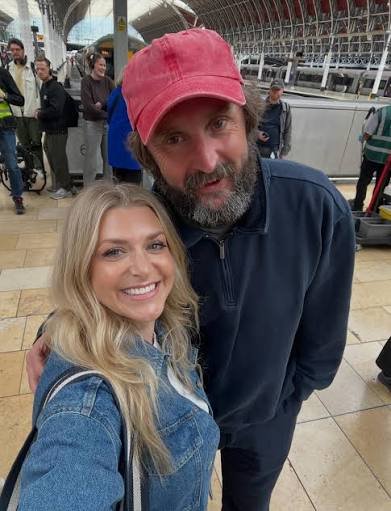
Who Is Joe Wilkinson and Why Does He Stand Out
Joe Wilkinson was born on 2 May 1975 in Bromley, in south-east London, and has been active in the entertainment industry since around 2004. He is usually described as a comedian, actor and screenwriter, which is a tidy way of saying that he does not stay in a single lane. One week he might be trading jokes on a television panel, the next he could be reading a script for a character-driven comedy role, and somewhere in between he is likely working on something he has written himself.
What sets him apart is tone. Where many stand-ups lean on volume, confidence and rapid-fire punchlines, he leans on awkwardness, understatement and a slightly bewildered stare that suggests the world has once again failed to explain itself. That quality makes him a favourite among viewers who prefer wit with a little mischief in it. It also makes him a dependable guest for shows that thrive on spontaneity, because he can say something unexpected and let the silence do the rest of the work.
His wider reputation rests on consistency. Comedy audiences are famously quick to move on, yet he has remained a recognisable presence across television, radio and live shows for a long time. That kind of staying power rarely comes from one big break. It tends to come from reliability, a distinctive voice and the respect of fellow performers who keep asking him back.
Early Life and the Road Into Comedy
Growing up in Bromley placed him in the sprawling suburban belt of south London, an environment that has quietly shaped plenty of British comedy over the decades. Suburbia is a rich source of material because it is full of small rituals, polite frustrations and unspoken rules, and the comedians who come out of it often develop a sharp eye for the ordinary. While detailed accounts of his childhood are best left to his own storytelling, it is easy to see how an observational, slightly off-centre outlook could grow from that kind of backdrop.
By the mid-2000s he was working the live circuit, which is where almost every British comedian earns their stripes. Open-mic nights, small clubs, festival slots and late-night gigs form a tough apprenticeship, and the performers who last are the ones who learn to read a room quickly. Building a style in that environment takes patience, because audiences are honest and unforgiving. Anyone who has followed his career can sense that those years sharpened his instincts, particularly his confidence in letting an odd idea breathe rather than rushing past it.
The path from club comic to television regular is rarely a straight line. It usually involves a mix of persistence, good timing and the goodwill of producers and fellow comedians who spot something distinctive. In his case, the distinctiveness was obvious early on: a dry, slightly surreal way of looking at things that did not resemble anybody else on the scene.
The Comedy Style That Made Him Distinctive
The easiest way to describe his humour is controlled strangeness. He tends to commit completely to an odd premise, delivering it with a straight face as though it were perfectly reasonable, and the gap between his calm and the ridiculousness of the idea creates the laugh. It is a technique with deep roots in British comedy, running from classic double acts through to modern deadpan performers, yet he applies it with a personality that feels entirely his own.
Another hallmark is his comfort with silence and slow reactions. Plenty of comedians fear a pause, but a well-placed one can be funnier than any line, and he knows exactly how long to hold it. The result is a style that rewards attention. If you tune out for a moment, you might miss the tiny facial shift or sideways remark that turns an ordinary exchange into something memorable. Fans often say that his best moments are the ones that nobody saw coming, including him.
Mel Brooks once summed up the spirit of comic perspective with the line, “Tragedy is when I cut my finger. Comedy is when you fall into an open sewer and die.” The remark captures something true about how comedy works: distance, exaggeration and the ability to find absurdity in misfortune. That sensibility sits comfortably alongside the gentle, self-deprecating oddness that audiences associate with him, even though his tone is far milder and more whimsical than Brooks’s famously broad approach.
Television, Radio and Screen Work
Television has been a major part of his career, and he has built a profile through guest spots, panel appearances and acting roles. Around 2014 he appeared as a resident comedian on a revived television game show, a format that depends on quick banter and personality rather than polished stand-up sets. That kind of work suits him, because it lets his offbeat reactions shine without demanding a big, brash persona.
Radio is another important chapter. Material connected to him has been broadcast on BBC Radio 2, and radio can be a revealing medium for a comedian because there is nowhere to hide. Without visuals, everything depends on voice, rhythm and wording. Performers who thrive on radio tend to have a strong sense of language, and his dry phrasing translates well to audio, where a single odd word choice can land harder than a whole routine.
Beyond panel shows and radio, he has moved into screen acting, taking on roles that make use of his natural comic presence while stretching him beyond a comfortable stand-up persona. Reports that he completed filming on his first leading film role were welcomed by fans who had long felt he deserved more room in the spotlight. Moving from supporting player to lead is a significant step, and it shows how far his reputation has travelled since those early club nights.
Writing, Screenwriting and Creative Control
Describing him only as a performer misses a big part of the picture, because he is also a screenwriter. Writing for screen demands a different set of muscles from stand-up. A live set can be reshaped night after night based on audience response, while a script has to hold together on the page, survive notes from producers and work for viewers who are not in the room. Comedians who write successfully often have a gift for structure as well as jokes, and that dual ability gives them far more control over their careers.
Creative control matters in comedy because the most distinctive voices rarely fit neatly into other people’s formats. By writing as well as acting, he can shape the rhythm of a scene, the weirdness of a situation and the specific flavour of an exchange. That is how a performer with an offbeat sensibility keeps that sensibility intact when projects get larger and budgets grow.
There is also a practical benefit. Writers are often the people who get asked to develop new ideas, pitch new shows and collaborate across different media. Over time, that creates a broader and more resilient career than relying on live performance alone. For viewers, the payoff is simple: more material that feels recognisably his, rather than a watered-down version filtered through someone else’s idea of what a comedian should sound like.
The Autobiography and the Art of Storytelling
Publishing has become a natural next step for many British comedians, and his move into books drew attention when trade coverage reported that a major publisher, Transworld, had acquired his autobiography. The Bookseller described the project as “delightfully absurd,” a phrase that fits what readers would expect from a performer whose humour is built on gentle strangeness and unexpected detours.
A comedian’s memoir is an interesting form because it asks the writer to do something different from a stage act. Instead of delivering punchlines on a schedule, the author has to build a narrative voice that sustains laughter over many pages, while also revealing enough of the real person to keep readers invested. The best examples blend funny anecdotes with honest reflection, and they often become the most enduring part of a performer’s catalogue.
For fans, a book offers something television rarely can: an unhurried look at how a person thinks. Panel shows reward quick reactions, but a memoir rewards patience and detail. It lets the writer explain how odd instincts developed, where particular obsessions began and what the strange, funny route into comedy actually looked like from the inside. Anyone who enjoys his on-screen persona has good reason to be curious about that longer view.
Quick Facts at a Glance
Sometimes the simplest way to understand a career is to see the essentials side by side. The table below pulls together the core biographical and professional points that are widely reported, so you can scan them quickly without wading through long paragraphs.
| Detail | Information |
|---|---|
| Full name | Joseph Roland Wilkinson |
| Born | 2 May 1975, Bromley, London, England |
| Occupations | Comedian, actor, screenwriter |
| Years active | 2004 to present |
| Spouse | Petra Exton (married 2015) |
| Known for | Deadpan, offbeat British humour |
| Media | Television, radio (including BBC Radio 2), live comedy, film |
| Publishing | Autobiography acquired by Transworld |
| Style | Understated, surreal, self-deprecating |
Keep in mind that biographical details vary between websites, and some low-quality pages repeat incorrect birth dates and places. When accuracy matters, cross-check against established reference sources and reputable news coverage rather than relying on a single site.
Why British Comedy Fans Keep Coming Back
British comedy has a long tradition of rewarding performers who are a little bit odd. From surreal sketch groups to dry panel-show regulars, audiences have always had room for people who do not fit the loud, polished mould. He slots into that lineage naturally, offering something that feels both familiar and fresh: the reliable pleasure of deadpan comedy, delivered with a voice nobody else could quite imitate.
Part of the appeal is relatability. His humour tends to revolve around small awkward moments and misplaced confidence, the kind of situations most people recognise from their own lives. There is no sense of a performer talking down from a pedestal. Instead, it feels as though he is stumbling through the same confusing world as everyone else and noticing the funny bits along the way. That warmth is a big reason why viewers describe him as likeable even when his character is behaving ridiculously.
Longevity also plays a role. Fans enjoy following a performer across different formats and phases, watching how a voice develops while staying true to itself. Whether you discovered him on television, caught a radio broadcast or saw a live show, there is a satisfying sense of continuity. You always know what you are getting, and yet there is usually a surprise tucked inside.
Where to Start if You Are New to His Work
Newcomers often wonder where to begin, and the best answer is to sample a few formats rather than hunting for a single definitive project. Start with television appearances on panel or game-style programmes, because they give a quick sense of his personality and timing. Short clips and episodes make it easy to decide whether his style suits you, and most viewers know within a few minutes.
From there, try audio. Radio and podcast-style appearances showcase his language and phrasing, which can reveal a different dimension of his comedy. If you enjoy those, look for acting roles, where his comic instincts are applied to written characters and longer stories. Finally, if you like his voice, the autobiography offers a deeper dive into how that voice came about and what shaped it.
A useful tip is to watch with patience. His best moments are often tiny, and a hurried viewing can flatten them. Give yourself room to enjoy the pauses, the sideways comments and the quiet absurdities. Once you tune into that frequency, you will probably find yourself spotting laughs in places you might have missed on a first pass.
Conclusion
Joe Wilkinson has built a career on the strength of a distinctive voice. He is a comedian, actor and screenwriter whose dry, surreal humour has travelled from the live circuit to television, radio, film and publishing, and the through-line is a consistent, slightly bewildered charm that feels genuinely his own. In an industry that often rewards noise, his quiet confidence stands out.
For anyone exploring British comedy, he offers an easy and rewarding entry point. His work shows how much laughter can come from restraint, timing and a willingness to commit fully to a strange idea. With new projects, including leading screen work and a memoir, adding fresh layers to his catalogue, he remains a performer well worth following, and one whose best work may still be ahead.
Frequently Asked Questions
Who is Joe Wilkinson?
Joe Wilkinson is an English comedian, actor and screenwriter born in Bromley, London, on 2 May 1975. He has been active in the entertainment industry since around 2004 and is known for a deadpan, offbeat style of humour. His work spans live comedy, television, radio and film.
What kind of comedy does he perform?
His comedy is built on understatement, surreal ideas and perfectly judged pauses. Rather than relying on loud delivery, he commits to an odd premise with a straight face and lets the contrast create the laugh. Fans often describe the result as gentle, self-deprecating and quietly absurd.
Is Joe Wilkinson married?
Yes. Reference sources report that he married Petra Exton in 2015. Some low-quality websites publish conflicting claims about his relationship status, so it is best to rely on established sources when checking personal details about him.
Has he written a book?
Trade coverage reported that Transworld acquired his autobiography, which The Bookseller described as delightfully absurd. For readers who enjoy his television persona, a memoir is a natural way to explore how his humour and outlook developed over the years.
Where can I watch or listen to his work?
You can find him on British television through panel and game-style programmes as well as acting roles, and material connected to him has aired on BBC Radio 2. Streaming catalogues and catch-up services change regularly, so check the platforms you use for the latest listings. Searching for the name alongside the word comedian helps filter out the many other people who share it.
Why do people search for Joe Wilkinson so often?
Interest tends to spike whenever he appears in a new television project, announces a book or takes on a notable acting role. Viewers who spot him on screen often look him up to learn more about his background and earlier work. Because the name is shared by other people, many searches also come from fans trying to confirm they have found the right person.